
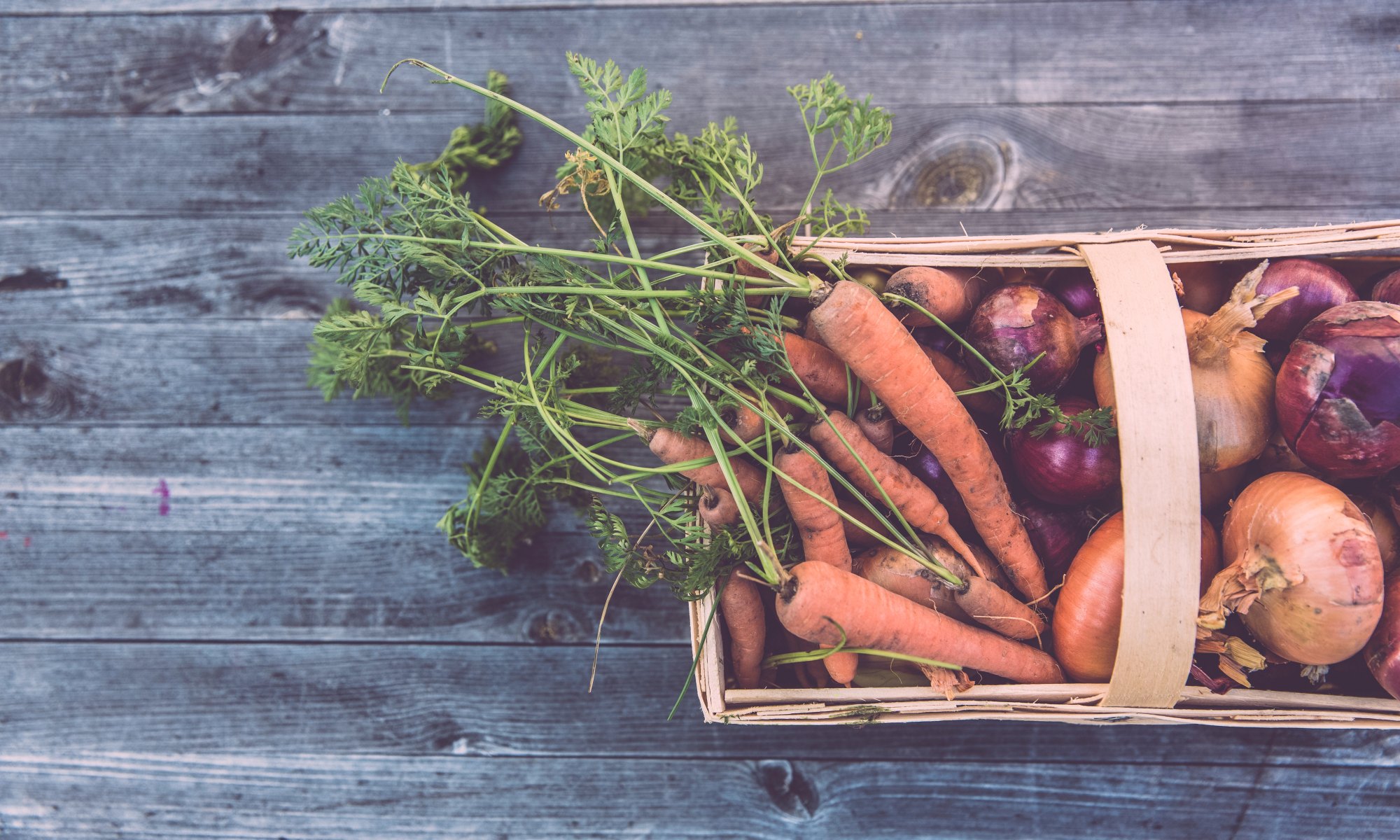
What do you do with your food scraps? Put them in your compost or feed them to your chooks? Maybe you just put them in the bin. Well, did you know that every year in Australia about 4,000,000 tonnes of wasted food goes to landfill, that’s about $8 billion worth.
So what can you do? Living most places in or near the city, backyards and gardens aren’t easy to come by, especially for renters, but throwing food scraps in the bin only adds to the epidemic of the waste in our landfills and generates significant greenhouse gas emissions. But, there are many ways that a household can compost and don’t despair if you live in the most urban of urban areas, all is not lost! Here are some great composting and scrap disposal options for any house.
Garden compost bins are best for large gardens and can be moved around or emptied once full. These are normally a large bottomless tub with a lid (if you make your own it may even be an upturned 60L bin with the bottom cut out), to ensure the scraps can be stirred directly in with the soil. These kinds of compost bins are good for garden clippings, leaves and fruit and vegetable scraps. They do require some work to get the most from them (the best compost), as you need to regularly aerate the system e.g. mix the compost around. They produce large quantities of compost over an extended period (allow a few months at a time), creating excellent soil for veggie growing. Keep in mind that these more open bins can also attract things such as rats and depending on your location, snakes to eat the rats.
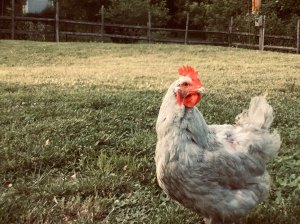
If you have the space, a chook pen is always a great way to get rid of scraps and produce ethical eggs. We had them growing up and, as well as the normal chook feed, they will happily peck away at your daily fruit and veggie offcuts. Also, depending on the breed, chooks can also be treated like pets, happily accepting a pat or a lap to sit on. If you want a chook pen however, make sure that you have a big enough yard for the chooks to roam during the day, as small pens should only be used as a place for chooks to sleep at night.
Worm farms are best for households that have a lot of vegetable scraps (worms aren’t that keen on meat and dairy) and can be placed in small or large gardens. Urban dwellers don’t despair though, as worm farms can also be stored on balconies, down the side of the house or even under the stairs in your apartment block. Keep in mind that a worm farm needs a cool, sheltered position and can also work well with container gardens.
The Bokashi Bin is what I currently use in my relatively urban rental house. The Bokashi Bin uses a process of fermentation to transform all your food waste (including cooked food, meat, bones, fish and cheese – most composts don’t allow for animal products) into a super nutrient rich compost. Each bin (all of which are air tight to avoid smells escaping or rodents entering) comes with a fermentation solution that you add to your bin at the end of each day. This helps the waste ferment and ensures it doesn’t putrefy (which is where most of the smell comes from with rotting food). This process also produces a kind of juice that can be drained through the tap in the bottom. It doesn’t smell too pleasant, but has a purpose! Once drained you can use the liquid as a fertiliser for your garden or you can pour it down your drains, your toilet or your septic system to avoid algae build up and control odours (slightly ironic). The more fruit and veggies in the bin, the more juice you produce.
To complete the composting process and after the scraps have begun to break down, the waste is buried beneath the soil in your garden, which after about two weeks results in some amazing soil!


Depending on the amount of food consumed in your house, and the number of friends who drop their scraps off, the bin can take about 4-6 weeks to fill. Once it’s full however, you need to leave it for another 10-14 days to allow all the most recent scraps to ferment before they get put in the ground. Obviously you still have scraps during this time, so it can be helpful to find an airtight container to keep on the bench or in the fridge to hold your scraps until the bin has been emptied. If you’re worried about smell or mould in this container, you can spray it with the fermenting spray or sprinkle with the grains, but keep in mind that this may produce the juices that you’ll need to drain out before popping back in the bin.
A few tips to keep in mind, which will also come in your leaflet if you buy your own bin:
- If the Bokashi bin smells quite bad you may need to:
- Add more spray or grains each time you top it up
- Ensure the lid has been shut properly
- Drain the liquid more regularly e.g. daily.
- You can add food with white mould, but not green as this can release spores into the air and isn’t great for your soil or for you.
- If the contents develops white mould that’s fine, but green mould means it might need to be tossed, so be careful what you put in and make sure you’re spraying daily.
- I add paper, paper towels and tissues to mine and have had no issues so far, but do what works for you.
- If you don’t know what to do with coffee grounds or have too many just add them to the bin.
- It’s a no brainer, but don’t add any metal, plastic etc and avoid any paper that might have a lot of dye on it (normally these dyes are chemical based and this will eventually end up in your garden and maybe your food).
It can take some getting used to, remembering you have a compost bin and that it needs to be sprayed and drained every day, but after a while you pick it up. At the end of each day I will normally drain the liquid, squash down the scraps and spray it, and so far it has avoided the need for any scraps going in the bin and has meant we don’t need to put our rubbish bin out as regularly.
Note: For those of you who would like to know, my bin was bought at Bunnings, but they can be bought online from a number of places, including www.bokashi.com.au, as well as being provided at a discounted rate by some local councils.
No Garden or Don’t Want to Compost?
If you’re like me and don’t have a garden bed to bury your fermented scraps in, or you just have scraps and don’t want to compost at home, you can phone a friend who has a garden or you can find a stranger who does.
Share Waste is a composting community that allows you to find someone in your area who will take your scraps. All you have to do is sign up, find your location and start looking around (you can also sign up and create a profile if you have a compost and want the scraps). What people are willing to take for their own composts will vary from green waste and fruit/veggie scraps to pet waste and Bokashi bin contents. So, just look for what you need, message your new compost friend and arrange a time to drop off your goods! Scrap disposal and friend acquisition (possibly).
I have already completed my first Bokashi bin drop off and am waiting another week before doing my second. I found a great couple who leave their garden open, complete with buckets and supplies for you to empty and walk away. They also offer their own Bokashi grain (made from donated bokashi material) and provide it free to anyone who drops off the contents of their bin.
Reuse Before You Rot
It’s important to remember that having alternatives to landfill on where we can put our waste shouldn’t be a reason to create waste. Obviously we all do, its unavoidable, but there are other things you can do when you have food scraps in the house.
When it comes to mouldy or off food, that needs to go! However, if you find yourself left with veggie scraps after a stir-fry, such as the ends of carrots or spring onions, or chicken bones after a roast, these can be reused before composting.
-

Image via @plantedinthewoods
Veggie scraps, especially from carrots, onions, pumpkin etc. can be saved and simmered or boiled to create your own veggie stock or the base for a delicious winter soup. This goes for bones as well! If it’s a fresh chicken bone, a roast chicken carcass or other bones that someone hasn’t been chewing on, you can also fry them and throw them in with your next chicken soup or add them to your veggie scrap mix and make yourself a lovely chicken stock. It may not have the same abundance of flavour as your store bought stock, but if you’re trying to fill out a dish or a soup, it has plenty more flavour than just topping up with water.
Did you know, you can also trying regrowing veggies from their scraps? With more people taking to social media to share their tips on how to reduce waste at home, I have seen more and more people trying this technique. Take your scraps, such as the stem of your lettuce, the end of your carrot or the base of your spring onion, and either plant them in the ground or in a shallow bowl of water. Give them time and you’ll see them start to regrow. Then just use again!


You can also use leftover orange or other citrus peels and herb scraps such as rosemary sprigs to infuse vinegars for cleaning around the house, but we’ll discuss this when we get to household cleaning.
As you can see, all it takes is a little thought and a little time to make the most of your food scraps and limit your food waste. Together we can reduce the amount of wasted food that gets sent to landfill and reduce the negative impact we’re having on the environment (plus possibly save ourselves some money in the process).
 Ronnie